


SpeakEasy: Home Speech Therapy
3.6161.00 Reviews
App Specs
- Version
- Varies with Device
- Updated On
- License
- Free
- Downloads
- 100,000+
- Developer
- SpeakEasy Community
- Categories
- Parenting
- Platform
- Android
Screenshots

 Analysis by AppCompare
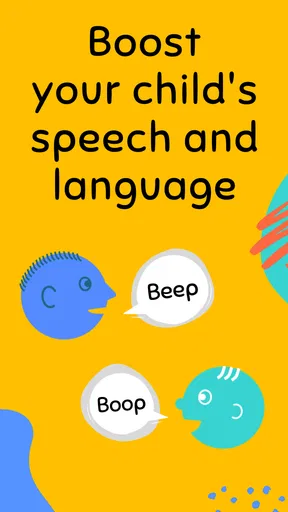
If you've ever found yourself wishing for a way to enhance your speech skills from the comfort of your own home, then you might want to check out SpeakEasy: Home Speech Therapy. It's an app that aims to bring speech practice to your smartphone. Let's dive into what this app offers and see if it's the right fit for you or your loved ones.
What the first week can tell you
For a parent, the first few sessions are less about judging dramatic progress and more about finding out whether a child will willingly return to the activities. SpeakEasy is a parenting app from SpeakEasy Community, and its playful exercises can make practice feel less like another instruction from an adult. That matters when a child is already tired after school or has had a long day of appointments. I would treat the early appeal as a useful opening, not proof that a new routine will sustain itself.
A practical way to try it is to attach a short session to something already predictable, such as a quiet moment after breakfast or before a familiar bedtime story. Keep the first attempts low-pressure: invite the child to explore, and stop while the activity is still going well rather than pushing to finish every task. That approach gives you a better sense of whether the format suits your child than turning the first session into a test of patience.
The app may also help a caregiver notice which kinds of practice hold a child's attention. If an activity gets an easy yes while another leads to avoidance, that is useful information for planning the next session. I would not read a child's preference as a measure of ability, though. Interest, energy, and the mood of the day can affect participation, so look for patterns over several ordinary sessions instead of drawing conclusions from one difficult afternoon.
Getting Started with SpeakEasy
First things first, downloading SpeakEasy: Home Speech Therapy is a breeze, whether you're an Android enthusiast or an iOS devotee. Once installed, you're greeted with a clean, user-friendly interface that's as inviting as a cozy chat with a friend. No need to be a tech wizard here; the app is designed with simplicity in mind.
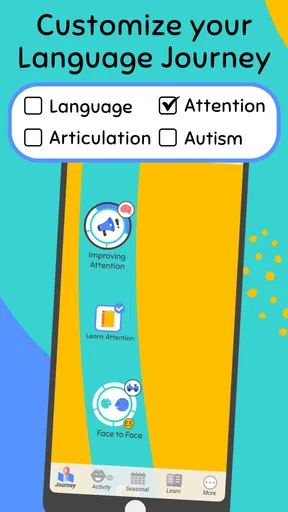
The app kicks off by asking a few questions to tailor the experience to your specific needs. Whether you're working on articulation, fluency, or language skills, SpeakEasy has got your back. It’s like having a personal speech therapist in your pocket!
Turning playful practice into a routine
The more useful question after the first few sessions is whether the app can fit into family life without becoming another chore. I would use it as a small, repeatable part of the day rather than an open-ended activity that competes with meals, homework, or sleep. A parent can set the expectation in simple terms—one brief practice window, then move on—so the app does not take over the evening or become a reward negotiation.
Worth Reading Before You Choose

EA SPORTS FC Mobile 26 Is a Bigger Football Game, but It Takes Time

Flipboard Shows What News Apps Must Do Beyond the Feed

Switching to Android Auto Means Rethinking Your Driving Routine

Google Calendar Makes a Crowded Week Easier to Manage

Ludo King Makes the Most of the Minutes Between Plans

Baby Panda World Brings Quick Play to Modern Phones, but Its Game Library Feels Busy
For example, imagine a child arriving home after school with limited patience for structured work. A caregiver might offer a short session before a snack, sit nearby, and treat the exercise as shared play rather than checking every response. If the child is clearly worn out, skipping that day may be wiser than forcing participation and making the next attempt harder. The goal is a sustainable rhythm, not a perfect streak.
Caregivers can also make the app more useful by noticing what happens around practice. Does the child engage more when an adult joins in? Is a quieter room better than the living room? Does the activity work better before or after other demands? Those small observations can guide when and how to offer a session. They are practical adjustments, not evidence that a particular speech difficulty has changed.
Diving into the Features
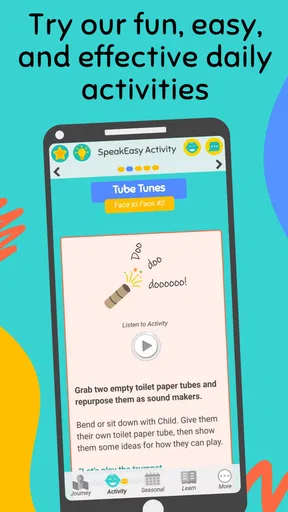
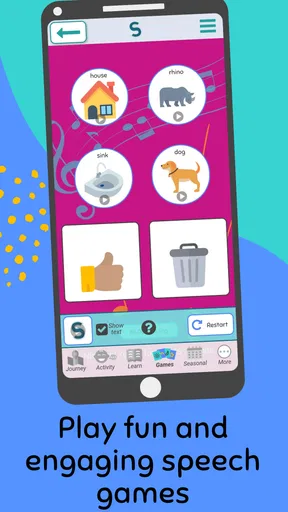
What sets SpeakEasy apart is its comprehensive set of features. There’s a variety of exercises, games, and interactive activities that cater to different speech goals. The exercises are structured in a way that feels more like playing a game than doing therapy. Who said speech therapy can't be fun?
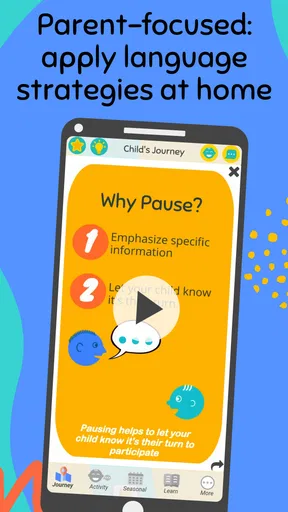
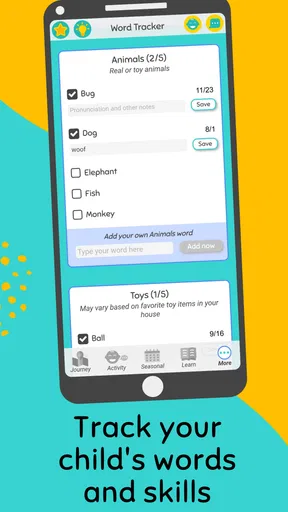
The app also includes a tracking system to monitor progress, which is super handy if you’re someone who loves to see tangible results. You can set goals and watch your speech skills improve over time. It's motivating to see those little victories stack up!
Making progress tracking useful, not stressful
Progress tracking is most helpful when it supports a conversation, not when it becomes a scorecard for a child. I would look at it periodically and ask whether the routine is happening and whether the activities remain manageable. A record can help a caregiver remember what has been practiced, but it cannot capture every part of communication in daily life, such as how comfortably a child speaks during play or asks for help at home.
One sensible workflow is to choose a modest goal, practice consistently when circumstances allow, and review the tracking after a few sessions rather than after every attempt. That reduces the temptation to overinterpret a good or difficult day. If a parent is already working with a speech-language professional, the app can be discussed as a source of home practice; it should not replace that professional's judgment or be treated as a diagnosis.
That distinction matters because a phone activity and individualized therapy do different jobs. A clinician can assess a child's needs, adapt cues in real time, and advise a family on priorities. An app can make it easier to repeat practice at home, but it cannot observe the full context or take responsibility for deciding what treatment is appropriate. If a family needs an assessment, tailored clinical support, or a plan for a complex concern, a qualified professional is the better starting point.
Keeping caregiver effort manageable
Any home practice tool asks something of the adult as well as the child. Even when an activity is easy to open, a caregiver still has to choose a suitable time, help a young child stay engaged, and decide when to stop. I would avoid making one parent the sole person responsible for remembering every session if other caregivers are involved. A shared, simple routine is more likely to last than an elaborate schedule that depends on one person having extra energy every day.
It can help to keep the phone ready before inviting the child to begin, so setup does not interrupt the moment. A caregiver might also decide in advance what counts as enough for that day: a brief, cooperative attempt can be a success even if the child does not want to continue. This is not a hidden setting or a special feature; it is a way of using a practice app without allowing the practice itself to become a source of conflict.
There is a trade-off in using a screen for a communication activity. The device may make exercises inviting, yet some families will prefer face-to-face play, books, or conversation for part of their practice. I would alternate rather than insist that every opportunity happen inside the app. For instance, a caregiver can follow a session with ordinary conversation or a shared story, keeping the focus on communication rather than on spending more time looking at the phone.
When alternatives may fit better
Compared with printable activities or a caregiver making up games, SpeakEasy offers a more guided, app-based structure and a way to track practice. That convenience is valuable for a parent who wants an activity ready to use instead of planning every exercise from scratch. On the other hand, paper materials and everyday play can be easier for families who want less screen time, need flexibility away from a device, or prefer to choose each activity themselves.
Compared with working directly with a speech-language professional, the app is a home practice companion rather than a substitute for individual care. A professional can respond to a child's particular speech and explain how to support a target; an app offers activities within its own format. The strongest choice may be a combination when a clinician recommends home practice, while a family looking for assessment or personalized treatment should prioritize professional support.
SpeakEasy is likely to suit caregivers who can offer occasional, low-pressure practice and children who respond well to guided activities. It may be a poor fit for a child who strongly resists screen-based tasks, a household that cannot comfortably maintain a device routine, or anyone expecting an app alone to resolve a speech concern. In those cases, direct professional advice or non-screen activities may be a better use of the family's time.
Costs, access, and expectations
SpeakEasy is free to install, with in-app purchases listed from $11.99 to $71.94 per item. I would explore the available experience before spending and consider whether the app is actually becoming part of the family's routine. A paid option only makes sense if it supports a use the family values; a purchase cannot create consistency or make an unsuitable activity engaging. Since recurring value depends on real use, it is worth discussing any spending with the other caregivers who will share the routine.
The app is rated for Everyone, and its current version is 1.0.10, with a minimum operating-system requirement of 9. The age rating is a useful basic signal, but it does not tell a parent whether a particular activity is right for an individual child. I would stay involved, especially with younger children, and judge suitability by their response and needs rather than assuming that an all-ages rating means every child will enjoy or benefit from the same approach.
Its audience has reached over 100,000 installs, while its average rating is 3.6 from around 666 ratings, with 159 written reviews. Those figures suggest that many people have tried it, but they do not settle whether it will suit your family. I would use feedback as a prompt to test the experience for yourself, not as a guarantee of progress. The meaningful question is whether your child participates comfortably and whether you can keep the routine realistic.
User Experience and Accessibility
Now, let's talk about the user experience. The graphics are simple, yet effective, ensuring that the focus remains on the exercises rather than flashy distractions. The voice guidance throughout the app is clear and encouraging, making it feel like you have a supportive coach cheering you on.
What's really impressive is how SpeakEasy caters to users of all ages. Whether it's a young child or an adult looking to refine their speech, the app adjusts its content to be age-appropriate and engaging. It's like a one-stop-shop for speech therapy, customized just for you.
Why the novelty can wear off
Even enjoyable games can become familiar, and a child who is excited during the first week may later prefer a different activity. I would not treat that change as a failure. It may mean the timing is wrong, the session is too demanding, or the child simply needs a break from that format. Returning later or varying practice with conversation and play can be more productive than insisting that the app remain entertaining every day.
Caregiver fatigue is another real limit. If checking progress, setting goals, or organizing sessions starts to feel like a second job, simplify the routine. Use the app when it genuinely helps, and do not turn its tracking into a daily report card. The best long-term tool is not necessarily the one with the most activities; it is the one a family can use without increasing stress or making communication feel like constant correction.
Families should also notice how the child feels during and after a session. If practice repeatedly leads to frustration, shame, or arguments, pause and reconsider the approach. A child should not be pushed to perform for a graph, and an adult should avoid correcting every ordinary conversation because an app has put speech goals on their mind. Keeping practice bounded protects the relationship and leaves room for relaxed communication outside the exercise.
Final Thoughts
In a world where convenience is king, SpeakEasy: Home Speech Therapy delivers an impressive solution for those seeking speech improvement without the hassle of in-person appointments. It's accessible, engaging, and effective—a trifecta that’s hard to beat.
So, if you're looking to boost your speech skills, or help someone else do the same, give SpeakEasy a whirl. It might just be the speech companion you've been looking for, ready to guide you on your journey to clearer communication, one exercise at a time.
Does it earn a lasting place?
My lasting-value test is straightforward: does the app make home practice easier to begin, and can the family keep using it without turning speech into a daily battle? SpeakEasy has a reasonable case when a child enjoys the guided activities and a caregiver can fit them into an ordinary routine. Its games and tracking offer more structure than improvised practice, while its phone format is less demanding to organize than building every session from scratch.
Still, it is not an automatic fit for every household. If the child is happier with books, conversation, or activities led by an adult, those alternatives may be more sustainable. If personalized assessment is the priority, professional care is more appropriate. I would also be cautious about expecting the app to provide lasting value simply because it is available; its usefulness depends on participation, realistic expectations, and a caregiver who can keep the experience supportive.
Overall, I see it as a practical option to try for families who want a structured home-practice aid, not as a complete therapy plan. Start gently, pay attention to the child's comfort, and keep the sessions in proportion to the rest of family life. If it continues to invite useful practice after the initial excitement fades, it has earned its place. If it becomes another source of pressure, setting it aside is a sensible choice.
Pros
- User-friendly interface for all ages.
- Personalized therapy plans available.
- Tracks progress with detailed reports.
- Offline access to exercises.
- Interactive and engaging activities.
Cons
- Limited free version features.
- Requires regular updates.
- Some exercises lack variety.
- No multilingual support.
- In-app purchases can be costly.
FAQs for SpeakEasy: Home Speech Therapy
What is SpeakEasy: Home Speech Therapy and who is it for?
SpeakEasy: Home Speech Therapy is an app designed to provide speech therapy exercises for individuals who need to improve their speech and communication skills. It is particularly useful for those recovering from stroke, children with speech delays, or anyone seeking to enhance their speech capabilities from home.
How does SpeakEasy: Home Speech Therapy work?
The app offers a series of guided exercises and activities tailored to the user’s specific needs. It includes audio-visual tools, progress tracking, and customizable programs that adapt based on the user’s performance. Users can practice at their own pace with feedback and support provided by the app.
Is SpeakEasy: Home Speech Therapy suitable for children?
Yes, SpeakEasy is designed to be user-friendly and can be used by children with speech delays or developmental challenges. The app includes engaging activities that are both educational and entertaining, making it suitable for younger users under the guidance of a parent or therapist.
Do I need any additional equipment to use SpeakEasy: Home Speech Therapy?
No additional equipment is required to use SpeakEasy. All you need is a compatible Android or iOS device with a functioning microphone and speaker. However, for optimal experience, using headphones with a microphone can help reduce background noise and improve audio clarity.
Can SpeakEasy: Home Speech Therapy replace in-person speech therapy sessions?
While SpeakEasy provides valuable support and practice for speech improvement, it is not a complete substitute for professional in-person therapy. It is best used as a supplementary tool alongside regular sessions with a qualified speech therapist to maximize progress and ensure personalized care.


